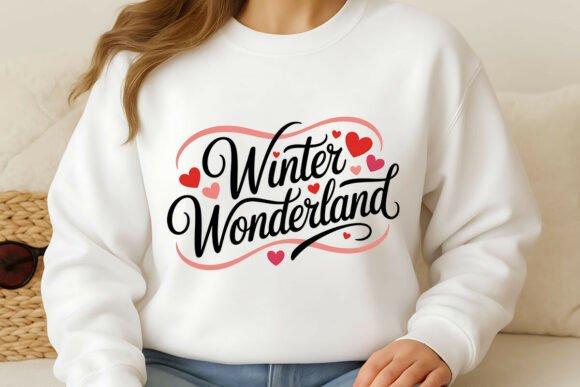
Winter Wonderland Png: A Designer's Review
As a designer who has spent years navigating the intersection of digital art and physical stitching, I approach every new asset with a critical eye. When I first opened the Winter Wonderland Png, Winter Png, my immediate reaction was one of cautious optimism. The file promises high resolution at 300 DPI, which is the gold standard for print clarity, but the reality of embroidery often tells a different story. This review isn't about whether the image looks pretty on a screen; it is about how this specific graphic translates into thread, tension, and texture when applied to real-world projects.
The First Impression: Mood and Visual Weight
The aesthetic of the Winter Wonderland Png, Winter Png is undeniably festive. It captures that crisp, snowy atmosphere that customers crave during the holiday season. However, in the world of machine embroidery design, visual density is just as important as artistic flair. At first glance, the layout feels balanced, with a strong central motif surrounded by delicate snowflake accents. For an Etsy seller or a small shop owner looking to create a cohesive collection, this kind of consistent visual personality is crucial. It suggests a finished product that will stand out on a shelf without feeling cluttered.
Yet, there is a fundamental limitation we must address immediately. This is a digital product provided in PNG format only—no SVG or editable files are included. This means you cannot simply drag this file into your embroidery software and expect it to stitch. You are receiving a Graphics asset intended primarily for printable mockups, transfer paper, or as a reference guide for digitizing. If you are hoping for a ready-to-stitch embroidery file, this is not it. Understanding this distinction is vital before you commit to a project timeline.
Real-World Application: From Screen to Stitch
Let’s imagine a practical scenario. You are preparing a custom embroidered sweatshirt for a local boutique's holiday collection. You want to place the winter scene on the chest area. Because the Winter Wonderland Png, Winter Png is a raster image, you would likely use it to create a transfer sheet or as a precise guide for manual digitizing. If you were to use a heat-transfer vinyl (HTV) method based on this PNG, the result could be stunning on a heavy cotton sweatshirt. The clean lines of the snowflakes would translate well into a solid cut, avoiding the need for complex satin stitch or dense fill stitch areas that might cause puckering.
However, if you attempt to digitize this directly for a cap or a structured hat, the curvature becomes a major factor. The intricate details in the corners of the Winter Wonderland Png, Winter Png might get lost on a curved surface. On a flat item like a tote bag design or a pillow cover, the detail holds up better. I have seen many crafters struggle with stitch density when converting high-res PNGs to stitches. Areas that look fine on a monitor can become muddy blobs of thread if the digitizer does not carefully separate the elements. For a personalized gift, such as a baby blanket or nursery decor, the softness of the image works well, but the execution relies entirely on your ability to interpret the PNG into a functional machine embroidery design.
Navigating Fabric and Technique Challenges
One of the most critical aspects of using assets like Winter Wonderland Png, Winter Png is understanding where they should be used carefully. Textured fabrics, such as fleece or thick wool blends, can obscure the finer details of the snow patterns. If you are working with thin fabric or stretchy materials like jersey knit, the lack of structural definition in a PNG-based transfer could lead to distortion. Always test the design on scrap fabric first. Check how the ink or thread interacts with the fabric texture under your specific lighting conditions.
Furthermore, consider the background color. The white elements in the Winter Wonderland Png, Winter Png will disappear on light-colored garments unless you use a top layer of stabilizer or a specific backing technique. On dark fabric, the contrast is excellent, but you must ensure the thread colors you choose for the digitized version pop against the background. A common mistake is assuming the black outlines in the PNG will work as-is; in embroidery, those lines often need to be converted to a contrasting color to define the shape effectively.
Value for the Craft Business
For the creative entrepreneur or the hobbyist running a side hustle, the value of this Freebies category asset lies in its versatility for marketing and planning. Even if you cannot stitch it directly, the high-resolution nature of the file makes it perfect for creating printable mockup images. These are essential for showcasing your finished product ideas to clients before any needle hits the fabric. It allows you to present a professional proposal for a holiday embroidery line without needing to physically produce samples for every single client request.
This also serves as an excellent reference for learning. By studying the composition of the Winter Wonderland Png, Winter Png, you can learn how to balance negative space and positive shapes in your own digitizing work. It helps in understanding how to arrange elements so that the running stitch or applique design flows naturally across the garment. For a commercial embroidery business, having a library of such high-quality references speeds up the design process significantly.
Practical Notes for Designers and Makers
If you decide to incorporate this asset into your workflow, follow these practical steps to ensure success:
- Test Before Committing: Never skip the test run on scrap fabric. Print the PNG at full size to check if the details remain clear when scaled down to your target hoop size.
- Check Licensing: Since this is listed under Freebies, verify the license terms. Can you sell items made from this design? Is it for personal use only? Confirming licensing before selling handmade products protects your business from legal issues.
- Digitize with Care: If you are converting this to a digital embroidery file, pay close attention to the smallest details. Tiny lettering or thin branches in the snow scene may require simplification to prevent thread breaks.
- Use Proper Stabilizer: Regardless of the method, a good stabilizer is non-negotiable. It prevents the fabric from shifting and ensures the crisp edges of the winter motifs stay sharp after washing.
- Mockup Variations: Create both light and dark fabric backgrounds in your mockups to see how the design performs visually. This helps in advising clients on the best custom apparel choices.
Final Thoughts on Professional Presentation
The Winter Wonderland Png, Winter Png offers a charming starting point for holiday-themed projects, but its true potential is unlocked only when you understand its limitations as a raster image. It is not a plug-and-play embroidery file, but rather a powerful tool for visualization, transfer printing, or digitizing reference. For the small shop product creator, using this asset correctly can elevate your brand consistency and customer trust. By taking the time to adapt the design thoughtfully, checking your stitch density, and ensuring the final embroidered patch or garment meets professional standards, you turn a simple graphic into a valuable part of your craft business inventory. Remember, the quality of your output depends less on the source file and more on the skill with which you translate it into thread.