Transfer: A Designer's Review for Real Embroidery Projects
As a designer who has spent years navigating the intersection of digital graphics and physical stitching, I approach every new asset with a critical eye. The market is flooded with Graphics that look stunning on a screen but fall apart under the needle. When I first encountered the design titled Transfer, my initial reaction was cautious optimism. It is marketed as a high-quality, eye-catching T-shirt design for Print On Demand businesses, which immediately signals its primary intent: commercial viability. However, before I recommend it for your craft business or personal projects, we need to peel back the layers and see how this machine embroidery design actually performs in the real world.
First Impressions: Visual Weight and Mood
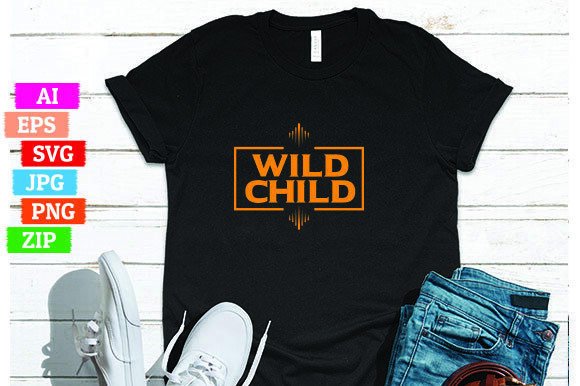
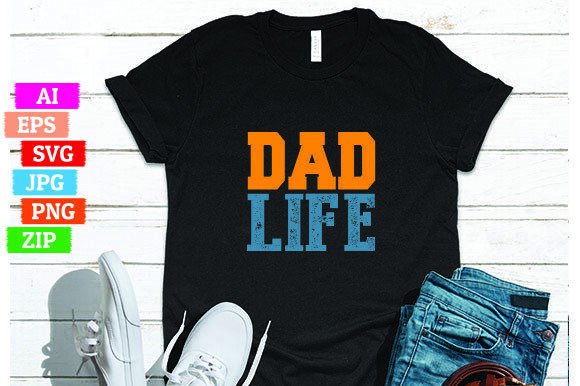
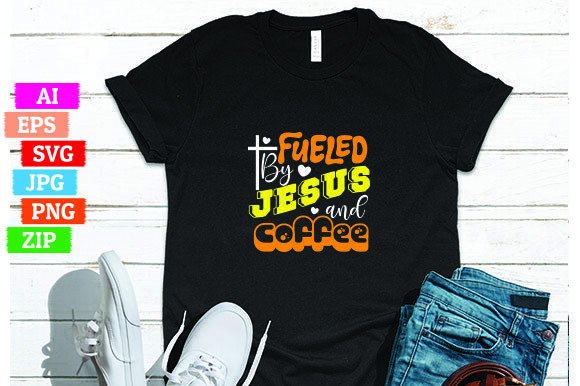
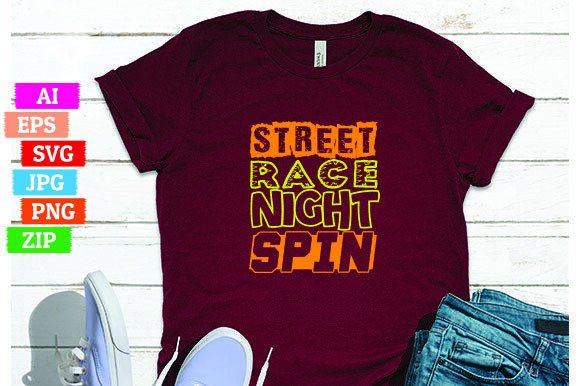
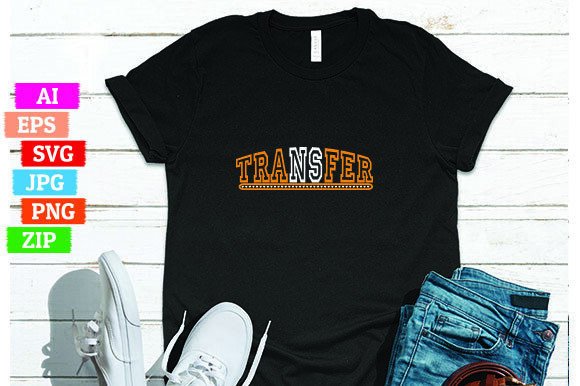
The moment you open the editable AI file or view the PNG File, the visual personality of Transfer becomes apparent. It carries a bold, modern aesthetic that screams "statement piece." For an Etsy seller looking to stand out in a crowded marketplace, the layout offers a strong focal point without feeling cluttered. The shapes are defined, and the theme suggests movement and energy, which translates well into the dynamic nature of custom apparel.
However, the true test lies not in the vector lines but in how those lines will behave when converted into stitches. As a reviewer, I immediately start mentally mapping the fill stitch areas against the potential satin stitch borders. The design feels substantial enough to hold its own on a heavy garment like a sweatshirt, yet refined enough to work on lighter fabrics if the stitch density is managed correctly. This versatility is rare in free assets, making Transfer a compelling addition to your library of design assets.
Real-World Application: From Screen to Stitch
Let’s imagine a specific scenario: You are preparing a limited run of embroidered tote bags for a local boutique. These bags need to be durable, stylish, and capable of withstanding frequent washing. Using Transfer for this project requires careful planning. The design's bold lines suggest it would look incredible on a canvas tote, providing a crisp contrast against the natural fabric texture.
In this context, the embroidery file format matters immensely. Since you receive an editable SVG File and an Editable EPS File, you have the freedom to adjust the size to fit a large hoop without losing definition. If you were to use this on a sweatshirt embroidery project, the design's weight would anchor the chest area perfectly. The key here is ensuring the thread colors pop against the heather grey or navy fabric. I would recommend testing a printable mockup in black and white first to verify that the value contrast remains clear once the thread is stitched.
For smaller items, such as a baby embroidery project or a personalized gift like a pillow cover, the design might need scaling down. While Transfer is robust, reducing it too much could compromise the intricate details. In these cases, treating it as an embroidered patch application might yield better results than direct stitching on delicate nursery decor fabrics. The finished product needs to maintain its integrity, and sometimes, adding a stabilizer layer beneath the design is the difference between a professional look and a puckered mess.
Navigating Challenges: Where Caution is Key
Even the best designs have limitations. When working with Transfer, there are specific situations where caution is required. Small hoop sizes can be problematic; if you attempt to force this design into a 4x4 hoop, the running stitch outlines may become too dense, leading to thread breakage or fabric distortion. Always check your machine's capabilities and the recommended hoop size before committing to a client order.
Fabric choice is another critical factor. On thin or stretchy fabric, the weight of the fill stitch in Transfer could cause sagging. A tear-away or cut-away stabilizer is non-negotiable here. Similarly, dark fabrics require careful color selection. While the design is versatile, using light thread on dark material without proper backing can result in a dull appearance. Conversely, on textured fabrics like denim or corduroy, the stitch density must be adjusted to ensure the needle penetrates evenly without skipping.
Curved surfaces, such as caps, present their own challenges. The straight lines and geometric elements of Transfer might struggle to conform to the dome of a hat without distorting. If you plan to use this for holiday embroidery on caps, consider simplifying the design slightly or using a cap-specific hoop to maintain the shape's integrity.
Practical Notes for Designers and Makers
If you decide to incorporate Transfer into your workflow, here are some practical steps to ensure success:
- Test on Scrap Fabric: Never skip this step. Run a test stitch on a scrap piece of the actual fabric you intend to use. This allows you to check thread color contrast and adjust tension settings.
- Review Stitch Density: Open the file in your embroidery software and inspect the density. High-density areas may need thinning to prevent bulk, especially on personalized products like aprons or kitchen towels.
- Confirm Licensing: Since this design is categorized under Freebies, double-check the license terms. Ensure you are permitted to sell commercial embroidery items created with this graphic. Some free assets restrict resale of finished goods.
- Check File Formats: Take advantage of the Editable AI file and SVG File to customize the design for specific clients. You can tweak colors or resize elements to fit unique small shop product requirements.
- Mockup Comparisons: Create mockups on both light and dark backgrounds to visualize how the design will appear in different contexts. This helps in setting accurate expectations for customers.
Impact on Brand and Customer Perception
Ultimately, the value of Transfer lies in its ability to elevate your brand. A well-executed embroidery project communicates quality and attention to detail. When customers see a crisp, clean design on a handmade product, their trust in your craftsmanship increases. This design, with its eye-catching nature, has the potential to become a signature piece for your digital product sellers or physical inventory.
Whether you are creating giftability focused holiday gifts or building a consistent brand identity for a boutique, Transfer offers a solid foundation. Its adaptability across various applications—from tote bag design to blanket accents—makes it a valuable tool in your creative arsenal. By understanding its strengths and limitations, you can leverage this digital embroidery file to create professional, engaging, and profitable projects.
As you move forward with your next embroidery project, remember that the design is only as good as its execution. With Transfer, you have a strong candidate for success, provided you apply the right techniques and materials. Happy stitching!