Wild Child: A Designer’s Take on Bold Embroidery
As an embroidery designer who has spent countless hours digitizing, stitching, and troubleshooting designs for clients, I have learned that not every graphic translates well to thread. When I first encountered Wild Child, my initial reaction was one of cautious optimism. The phrase itself carries a rebellious, free-spirited energy that resonates with modern consumers, but the real test lies in how those curves and lines behave under the needle. This review is not just about aesthetics; it is about practical application for those of us running craft businesses, selling on Etsy, or creating personalized gifts that need to withstand the rigors of daily wear.
First Impressions and Visual Personality
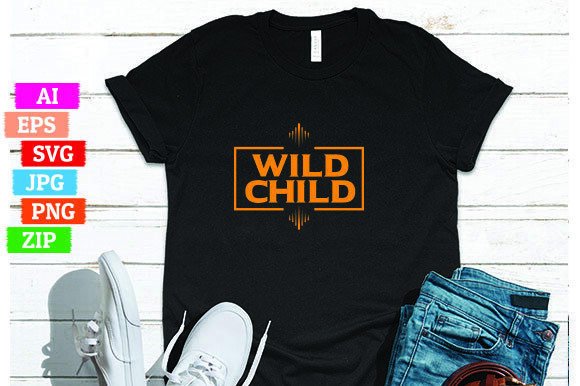
The mood of Wild Child is unmistakable. It feels energetic, youthful, and unapologetically bold. For a designer, this presents both an opportunity and a challenge. The layout suggests a design that demands attention, making it ideal for statement pieces rather than subtle accents. When evaluating any machine embroidery design, I look at the balance between negative space and filled areas. In this case, the visual personality leans towards high impact. If you are looking to create a handmade product that stands out in a crowded marketplace, this type of graphic has the potential to stop the scroll on social media or catch a buyer’s eye at a craft fair.
However, because the source material is described as a high-quality T-shirt design for Print on Demand, we must bridge the gap between print and stitch. Print allows for infinite detail and gradient colors, while embroidery relies on texture, thread direction, and limited color palettes. The "eye-catching" nature of the original graphic means we need to ensure that the essence of the design remains clear when converted into an embroidery file. Does it rely on tiny details that might get lost? Or does it have strong, defining shapes that translate well to satin and fill stitches?
Real-World Application: From Digital Asset to Finished Product
Let’s imagine a realistic scenario. You are preparing a custom order for a boutique client who wants a line of oversized sweatshirts for a spring collection. They want something that speaks to individuality. Wild Child fits this brief perfectly. Placed centrally on the chest or across the back of a heavyweight cotton fleece, the design can serve as the focal point of the garment. The boldness of the text or graphic elements would pair beautifully with a contrasting thread color, such as white or neon pink on a charcoal grey fabric.
Beyond apparel, consider the versatility of this design for other custom apparel and home goods. A tote bag made from durable canvas provides a stable surface for larger designs. Here, the structural integrity of the fabric supports heavier stitch densities without puckering. For a tote bag design, you might opt for a larger hoop size to maximize visibility. Alternatively, think about nursery decor. While the name suggests rebellion, it can also imply playful innocence. Embroidered on a baby blanket or a bib, using softer pastel thread colors, Wild Child takes on a sweeter, more whimsical tone. This adaptability is crucial for Etsy sellers who need to maximize the utility of their design assets.
Navigating Technical Challenges in Stitching
While the concept is strong, the execution requires careful planning. One of the primary concerns with bold, graphic-style designs is stitch density. If the original Graphics feature solid blocks of color or thick lettering, a direct conversion to embroidery could result in a stiff, cardboard-like feel. This is particularly problematic for sweatshirt embroidery or items that need to remain soft against the skin. To mitigate this, I recommend using a combination of satin stitches for outlines and lighter fill stitches for larger areas. Always check the stitch density settings in your digitizing software or review the provided file if it is already digitized.
Fabric choice plays a critical role here. Textured fabrics like terry cloth or waffle knit can obscure fine details. If Wild Child includes intricate corners or small connecting lines, these may get lost in the pile of a towel or a fuzzy sweater. In such cases, simplifying the design or increasing the scale is necessary. For dark fabric, ensure you have high-contrast thread colors. A dark thread on a dark garment will render the design invisible, defeating the purpose of an eye-catching piece. Always test your thread colors on scrap fabric before committing to the final product.
Curved surfaces, such as caps or hats, present another hurdle. Embroidering on a curved surface requires precise hooping and often a different approach to stabilizer usage. If you plan to use Wild Child on a cap, ensure the design width fits within the standard cap frame limits. Dense areas may cause pulling or distortion on the structured front panel of a hat. Using a cut-away stabilizer is essential here to provide long-term support and prevent the design from sinking into the fabric over time.
Commercial Viability and Brand Consistency
For those running a craft business, the perceived value of the finished item is paramount. A well-executed embroidery project enhances brand consistency and builds customer trust. If the stitching is clean, the tension is balanced, and the design is appropriate for the item, customers are more likely to leave positive reviews and return for future purchases. Wild Child, with its strong visual identity, can help establish a brand voice that is fun, modern, and confident.
However, commercial use comes with responsibilities. Since this product is listed under Freebies, it is vital to verify the licensing terms. Does the free download allow for commercial sales of physical items? Can you sell the digital file itself? Usually, free graphics are for personal use only, but some creators allow limited commercial use for physical products. Never assume. Check the license agreement included with the editable AI file or editable SVG file. If you are using this as a base to create your own digital embroidery file, ensure you have the rights to modify and sell the resulting derivative work.
Practical Notes for the Embroiderer
Before you load Wild Child into your machine, take these practical steps:
- Test on Scrap Fabric: Always stitch a sample on the same type of fabric you intend to use for the final product. This reveals issues with tension, density, and registration.
- Check Hoop Size: Confirm that the design dimensions fit your available hoops. If the design is large, you may need a multi-hooping technique, which requires precise alignment.
- Review Small Details: Zoom in on the design. Are there tiny elements that might break or pull out? Consider removing or enlarging these parts.
- Contrast is Key: Use black and white mockups to check if the design holds up without color. If it looks muddy in grayscale, it may lack sufficient contrast in real life.
- Stabilizer Selection: Match your stabilizer to your fabric. Use tear-away for stable woven fabrics and cut-away for stretchy knits or items that will be washed frequently.
In conclusion, Wild Child offers a compelling aesthetic for modern embroidery projects. Its success depends not just on the graphic quality, but on the thoughtful translation of that graphic into thread. By considering fabric texture, stitch density, and end-use durability, you can transform this digital asset into a high-value finished product that delights customers and elevates your brand. Whether you are creating a personalized gift or stocking your small shop product lineup, let practical judgment guide your creative process.