Fall Season T-shirt Design Sublimation Review
As a designer who has spent years navigating the gap between digital graphics and physical thread, I approach every new asset with a critical eye. When I first opened the Fall Season T-shirt Design Sublimation file, my initial reaction was one of cautious optimism. The vibrant autumn palette is undeniably striking, capturing that crisp, golden-hour mood we all crave in our seasonal collections. However, the transition from a colorful PNG graphic to a tangible, stitched masterpiece requires more than just hitting the "start" button on your machine. This review breaks down how this specific design holds up when moved from the screen to the hoop, specifically for those of us running craft businesses or creating high-end personalized gifts.
The Visual Impact and Design Intent
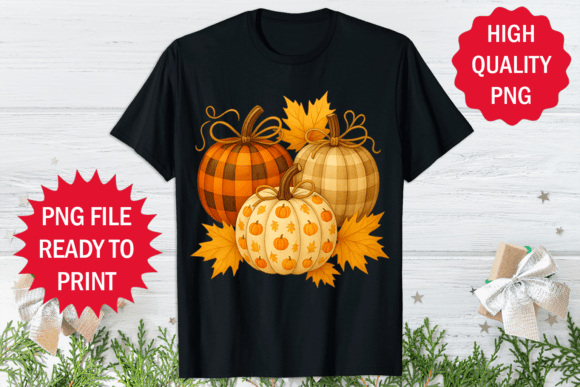
The core strength of the Fall Season T-shirt Design Sublimation lies in its bold composition. It is designed as a trendy graphic meant to pop on various surfaces, from banners to hoodies. Visually, it screams "autumn harvest" with its rich oranges, deep reds, and earthy browns. For an Etsy seller looking to refresh their shop before November, the aesthetic appeal is immediate. The layout is balanced enough to work as a central chest piece on a sweatshirt or as a back print on a tote bag.
However, there is a crucial distinction to make immediately: this is fundamentally a sublimation graphic. While it can be adapted for embroidery, the intricate gradients and fine details typical of sublimation prints do not always translate seamlessly into machine embroidery design without significant digitization work. If you are planning to use this as a direct embroidery file, you must scrutinize the line weights. In a print, a thin line is crisp; in thread, it can become a muddy mess if the stitch density isn't managed perfectly.
Real-World Application: The Custom Sweatshirt Scenario
Let's walk through a realistic scenario. Imagine you are preparing a limited run of custom sweatshirts for a local boutique client. You want to feature the Fall Season T-shirt Design Sublimation on the front left chest. The fabric is a heavy cotton-poly blend, perfect for fall wear. Before committing to the final product, I would strongly advise testing this design on a scrap piece of the same fabric.
When I visualize stitching this design, the larger leaf shapes would likely benefit from a dense fill stitch to ensure coverage and prevent the dark fabric from showing through. Conversely, the smaller accent elements might require a delicate satin stitch or even a running stitch outline to maintain definition without adding unnecessary bulk. The challenge here is maintaining the "trendy" look without letting the embroidery become too stiff or puckered. A poorly executed version could ruin the drape of the garment, which is a dealbreaker for high-quality custom apparel.
If you were instead making an embroidered patch from this design, the results could be even more impressive. Patches allow for higher stitch counts and denser packing, which helps capture the complexity of the original graphic. These patches could then be ironed onto denim jackets, backpacks, or even used as decorative accents on nursery decor items, expanding the utility of the design assets far beyond a single t-shirt application.
Navigating Fabric and Hoop Constraints
One area where designers often stumble is ignoring the limitations of the substrate. The Fall Season T-shirt Design Sublimation features a lot of visual information. If you attempt to stitch this on a small hoop, say 4x4 inches, you will likely encounter registration issues. The design needs breathing room to let the colors breathe and the stitches settle.
Be particularly careful with stretchy fabrics like jersey knits. Without the proper stabilizer, the tension from the needle pulling the thread can distort the design, warping the leaves and text. On textured fabrics like canvas tote bags or thick fleece, the detail level might get lost in the weave. In these cases, simplifying the design or increasing the size significantly is essential to preserve the visual integrity.
Furthermore, consider the color contrast. The original graphic relies on bright, saturated hues. When converting to thread, you must check your thread colors against the fabric background. A light orange leaf on a cream shirt might disappear entirely, while the same leaf on a navy blue hoodie would stand out brilliantly. Always create a printable mockup in black and white first to assess the value contrast before purchasing expensive threads.
Business Viability and Professional Presentation
For the small business owner or creative entrepreneur, the question isn't just about whether the design looks good, but whether it adds value to the finished product. High-quality embroidery elevates a basic t-shirt into a premium item. However, sloppy execution does the opposite. If the stitch density is too low, the design looks cheap. If it is too high, the fabric puckers, and the customer returns the item.
This design fits well within the realm of holiday embroidery and seasonal merchandise. It has the potential to drive sales for personalized gift lines, such as family matching shirts or corporate holiday swag. But remember, because this falls under the category of Freebies and Graphics, you must verify the licensing terms. Can you sell the finished embroidered item? Can you sell the digitized file itself? Never assume commercial rights apply just because you found the graphic online. Protecting your brand and respecting intellectual property is non-negotiable for professional commercial embroidery projects.
Practical Checklist for Success
To ensure the Fall Season T-shirt Design Sublimation performs flawlessly in your next project, follow these practical steps:
- Test Stitch First: Run a test on a scrap of your actual fabric to check for puckering and color accuracy.
- Check Thread Contrast: Ensure the chosen thread colors stand out against the garment base.
- Verify Hoop Size: Confirm the design fits comfortably within your hoop without being cramped.
- Inspect Small Details: Look closely at tiny lettering or fine lines; they may need manual adjustment in your digitizing software.
- Use Proper Stabilizer: Select a stabilizer appropriate for the fabric weight to prevent distortion.
- Review Licensing: Double-check the terms of use for both personal and craft business applications.
In conclusion, the Fall Season T-shirt Design Sublimation offers a fantastic starting point for autumn-themed projects. Its colorful, trendy aesthetic is exactly what customers are looking for during the season. However, its success in embroidery depends entirely on your technical execution. By treating it with the respect of a professional embroidery project—testing thoroughly, choosing the right materials, and understanding the limits of thread versus ink—you can transform this digital graphic into a high-value, tactile product that your customers will love to wear and display.